


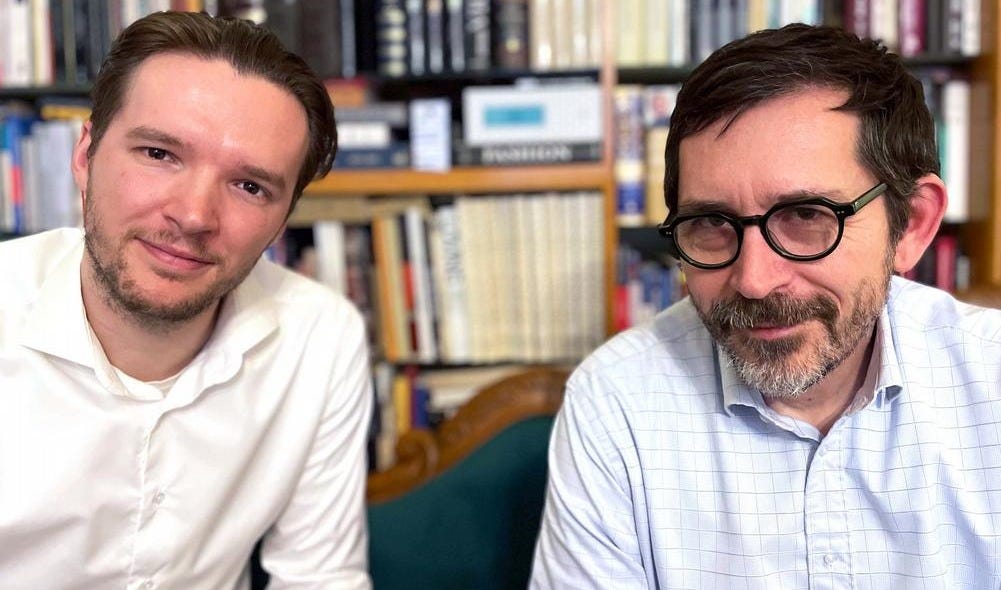
A Slovak married couple and their young son are confronting an extraordinary question: does our family exist?
They’re demanding what the European Court of Justice says all EU citizens enjoy - recognition of a marriage that was legally concluded in another EU country.
The Slovak government shows no signs of giving in.
I first met Ivan and Metod in October.
They’d invited me into their Bratislava flat for a Deutsche Welle article on life for LGBT couples in Slovakia.
The espresso machine whirred and sputtered. Ivan and Metod are both lawyers. They drink a lot of coffee.
They’ve been married for six years. The wedding was across the border in Austria (Slovakia does not permit same-sex unions). They have a young son. Bratislava seems to be a good place to raise a kid.
Ivan was telling me about the absurdities of life for two men living as husband and husband in a country - and a language - which struggles to understand the concept.
“There was one time when Metod was ill and had passed out,” said Ivan, explaining he had called the emergency services.
“The guy picked up and said ‘What’s your emergency?’ And I said ‘My husband’s lost consciousness! He’s on the ground, what am I supposed to do?’”
“And the guy said, ‘Your what?’ I answered: ‘My husband. He’s not breathing.”
“And he was like: ‘Your manager?’ Because it’s a very similar word in Slovak - manžel and manažer,” Ivan recounted.
“I said ‘What? Not my manažer. Manžel.’ And he was like ‘Huh. Is that even allowed?’”
Thankfully, Metod was fine. Today they laugh about it. But it wasn’t so funny at the time.
Since we met, Ivan and Metod’s legal battle has taken a significant turn.
They’re not asking Slovakia - a socially conservative, predominantly Catholic country - to legalise same-sex marriage.
They’re asking Slovakia to acknowledge the marriage they legally entered into in Austria.
Under last year’s European Court of Justice ruling, EU states must recognise the legal consequences of marriages lawfully concluded elsewhere in the EU.
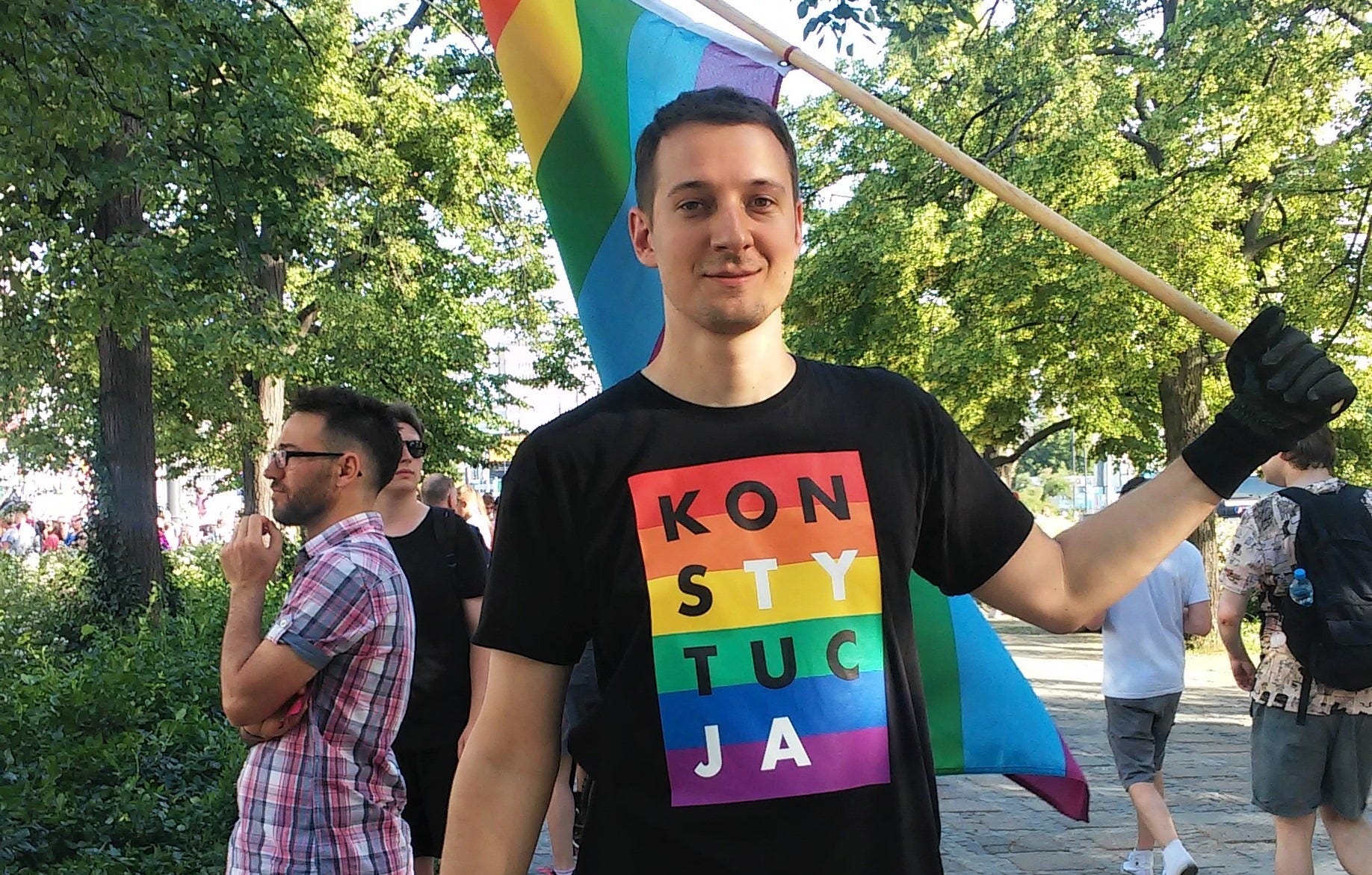
The case, known as Trojan after the plaintiff Jakub Cupriak-Trojan, arose in Poland. Two Polish men who had married in Germany challenged their government’s refusal to register their marriage. In November last year, the ECJ ruled in their favour.
The judgment is binding across the EU, but it doesn’t implement itself. Other same-sex couples in other EU states are now putting Trojan to the test.
Ivan and Metod - and several other Slovak couples - are among them.
They have powerful opponents.
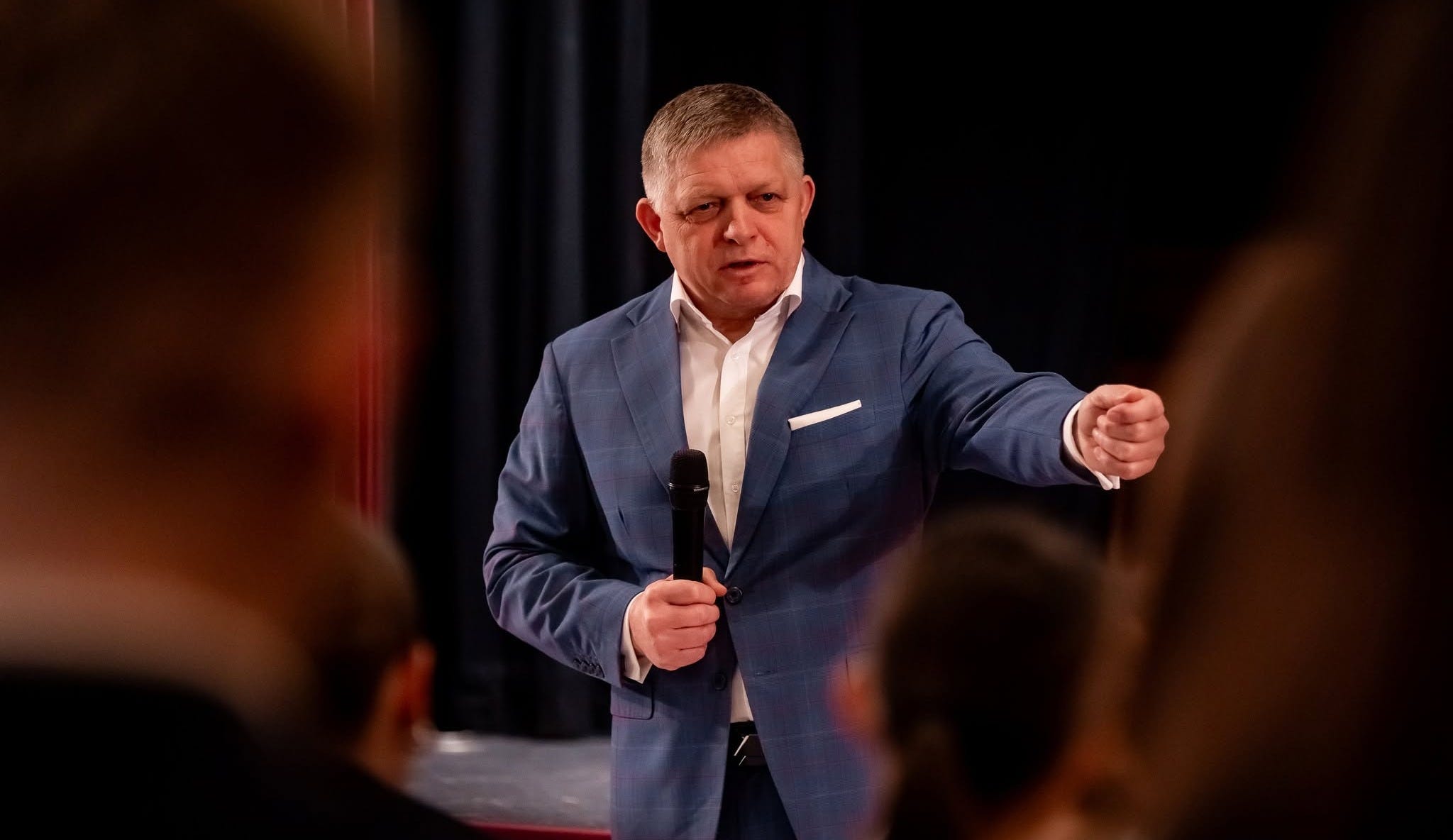
Slovakia’s populist leader Robert Fico has said his country will not implement the ECJ ruling.
He pointed to a 2024 constitutional amendment defining marriage in Slovakia as between a man and a woman. The amendment also severely curtails the right to adoption.
Last month, the Prosecutor General ruled that the Interior Ministry’s failure to decide on Ivan and Metod’s application within the deadline had breached the couple’s procedural rights.
It wasn’t a judgement on whether their Austrian marriage should be recognised or not. It was merely saying the state could not leave them in legal limbo.
Fico responded to the ruling by reiterating that such marriages would not be recognised and signalling that the applications would be rejected.
I called Ivan the other day. He was still optimistic.
"History is going only one way. I’m a strong believer that we will win the fight," he told me.
If the ministry formally refuses the application, the couple will challenge the decision in the Slovak courts.
“I'm an optimist by nature and I think that despite a short-term decline or a more hateful, homophobic, xenophobic climate, overall - in the mid-term and long-term - we are moving on.”
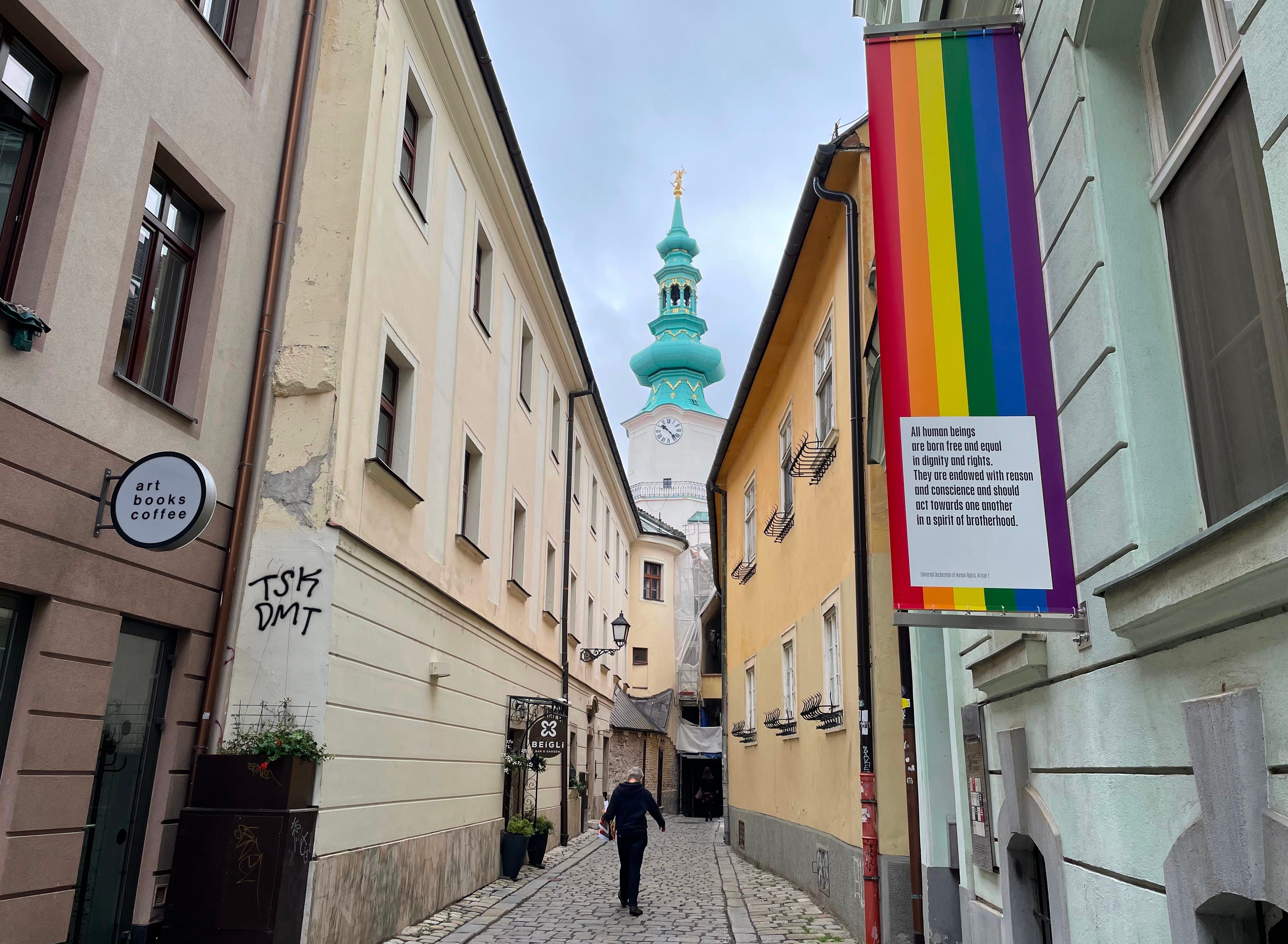
Optimism is one thing.
Choosing where to raise your child is another.
Both men specialise in international law, and both worked for the state administration. They both lost their jobs in 2024, not long after Fico formed his fourth coalition government.
They have since entered politics (each for a different party). If Fico wins again in 2027, says Ivan, he’s likely to form an even more illiberal government.
And if that happens, he says, they will leave Slovakia.
"We said - 'What are we going to do? We can leave or we can fight.' So let's do everything we can up to the 2027 elections. Let's give our hearts out,” Ivan told me from Bratislava.
“If we're successful, we’ll stay. If we’re not, we’ll leave. It’ll be in the interests of our family. We cannot imagine it will be otherwise, that it will be secure here, with our son here.”
“But we’ll also be leaving with more ease and less regret - even though it will be so hard, so hard, because we love our country.” he said.
“But it’ll be like - OK. We tried. We failed. Let’s go."
The battle over same-sex marriage is just one front in a broader culture war. Earlier this year I reported on how Slovakia’s government has reshaped the country’s cultural institutions - and why many Czechs fear they could be next.
Description of a struggle

Bit of a cultural tip this week: if you want to know what happens when you put far-right populists in charge of your cultural institutions, check out the Prague City Gallery’s House of Photography in Revoluční.