

Break the crutches
How one man fleeing Berlin saved a unique collection from the Nazis

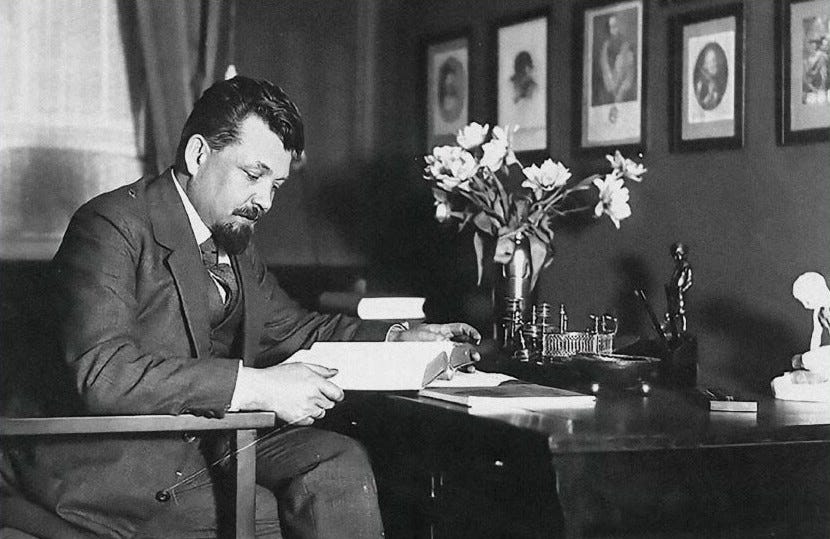
One cold winter’s day in 1938, a tired, middle-aged German man arrived at the door of Prague’s Jedlička Institute for disabled children.
His name was Hans Würtz, and he had just fled Nazi Germany.
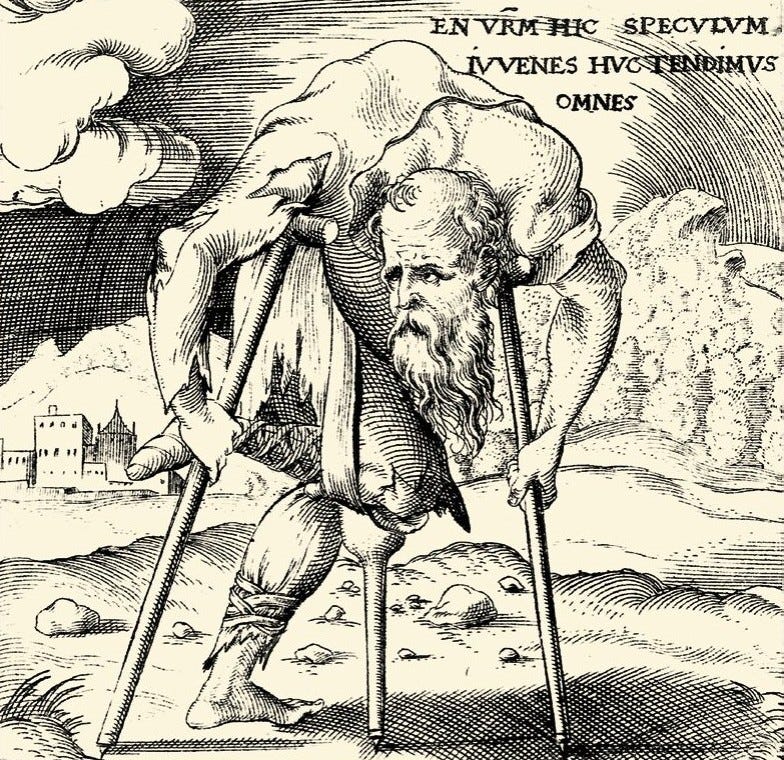
In his suitcases was an extraordinary collection of paintings, engravings, photographs and statuettes that together formed a visual archive of how disabled people were portrayed in Europe.
It’s never left. And remarkably, hardly anyone has ever seen it. Until now.
Würtz was the director of a similar institution - the Oskar-Helene-Heim - in Berlin.
For years, since around 1912, Würtz had been collecting depictions of disability in art, the media and popular culture.
They ranged from reproductions of images from ancient Greece to Mickey Mouse cartoons. Würtz collected paintings, engravings, photographs, newspaper cuttings, books, badges and hundreds of figurines.
By the time Würtz fled Berlin in 1938, his collection had grown to around 7,000 items.
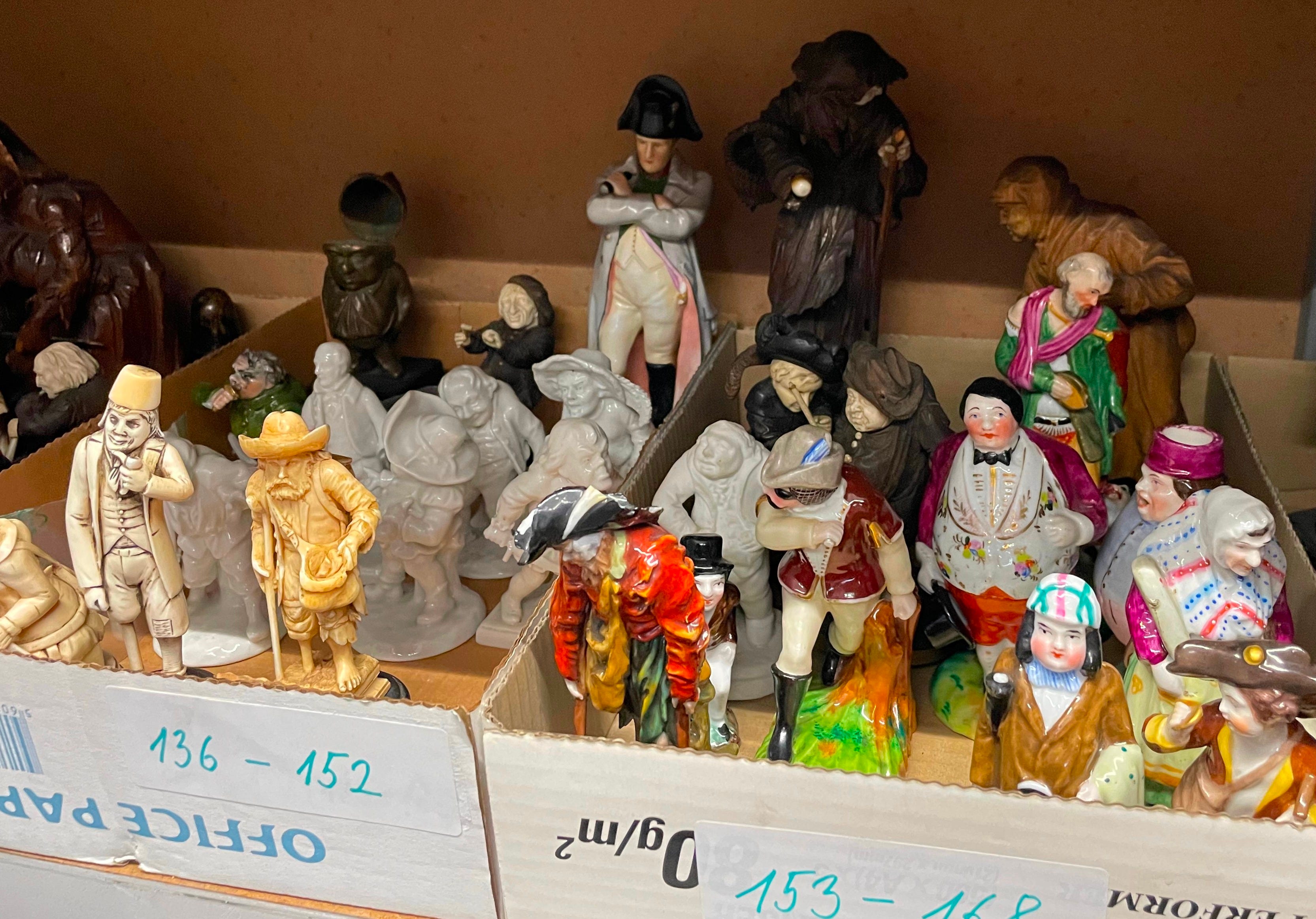
“Hans Würtz was interested in the images. He was not so interested in whether an object was an original or a copy,” said curator Šimon Krýsl from Prague’s National Medical Library, as he opened cupboard after cupboard of figurines.
“He was interested in the representation of the disabled in the image. He argued that there is a history - a continuity - in the representation of disabled people in art. And that when we look at this representation, that’s what we have to see,” Šimon told me.
Šimon is the chief curator of the library’s Medical Museum, a modest establishment housed in two rooms on the first floor of a building located across the library’s courtyard.
It’s open to the public by appointment. The exception is Thursday afternoons, when anyone can stop by between 2pm - 4pm.
Hans Würtz meticulously curated his collection of disability-related ephemera, later publishing it in a 1932 book he called Zerbrecht die Krücken, or Break the Crutches.
But when the Nazis seized power the following year, Würtz was a marked man.
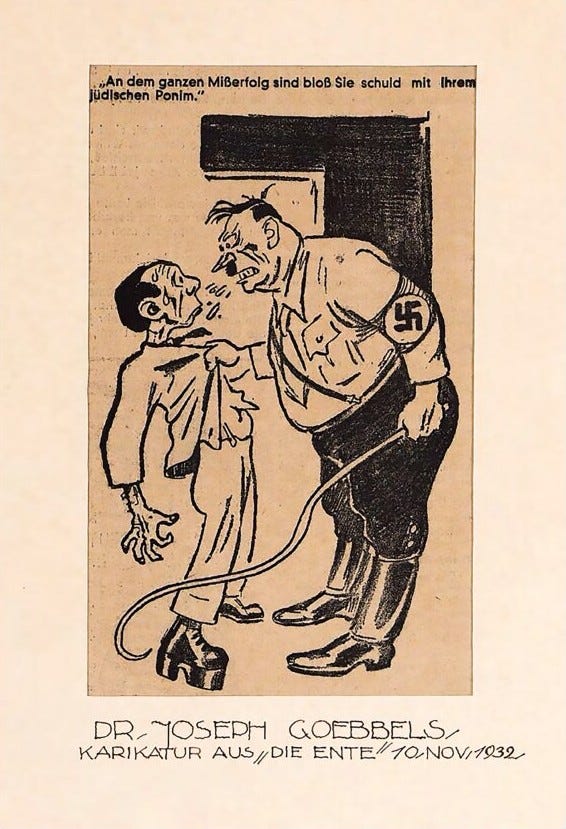
He was portrayed by the Nazi regime as a communist, a pacifist, and - worse - a Jew-lover. He was, in other words, an enemy of the people. The Nazis were particularly incensed at his inclusion of Joseph Goebbels in the book’s list of famous cripples, due to the Nazi propaganda chief’s club foot.
Würtz was dismissed from his post at the Oskar-Helene-Heim institute. Two decades of work with disabled children came to an end. There followed a brief imprisonment and then exile, first to Prague, later to Vienna.
Broke, Würtz was forced to sell his treasured works. He returned to Berlin in 1946, but was never able to recover his collection. He died in 1958.
Some of the Würtz Collection has been lost over the decades, but thousands of items survive in three locations.
A small section remains in Berlin.
Hundreds of ivory, bronze and porcelain figurines are stored in boxes at the Medical Museum.
The largest part - around 3,000 artworks, prints, photographs, newspaper cuttings and books - is preserved in the archives of the Jedlička Institute, where Würtz arrived with his wife Rosa in the winter of 1938.
“Just today a colleague of mine wrote me an email and he described the Würtz Collection as a huge visual encyclopaedia. And I think that’s a very good description,” archivist Petr Kolář told me.
“It was a living mirror,” he said.
The institute is now displaying part of the collection in a new exhibition at its café, probably only the third public display since the 1930s. Petr hopes it will become a travelling exhibition before eventually finding a permanent home.


“The value of this collection is not simply that it contains remarkable objects and images,” said Simon McKeown, Professor of Art at Teesside University.
“Taken together, it’s a compendium of disabled, marginal, working, comic, musical and itinerant lives as they were imagined, feared, mocked, admired and recorded across Europe,” said Professor McKeown, who was part of the research team putting together the exhibition.
“Würtz collected not for beauty or rarity, but for what each object could reveal. The result is less a cabinet of curiosities than a research archive - evidence of bodies, trades, prejudices, jokes, technologies and social attitudes that conventional art history largely ignores,” Simon told me.
“It shows disabled people were never absent from art. They were everywhere.”
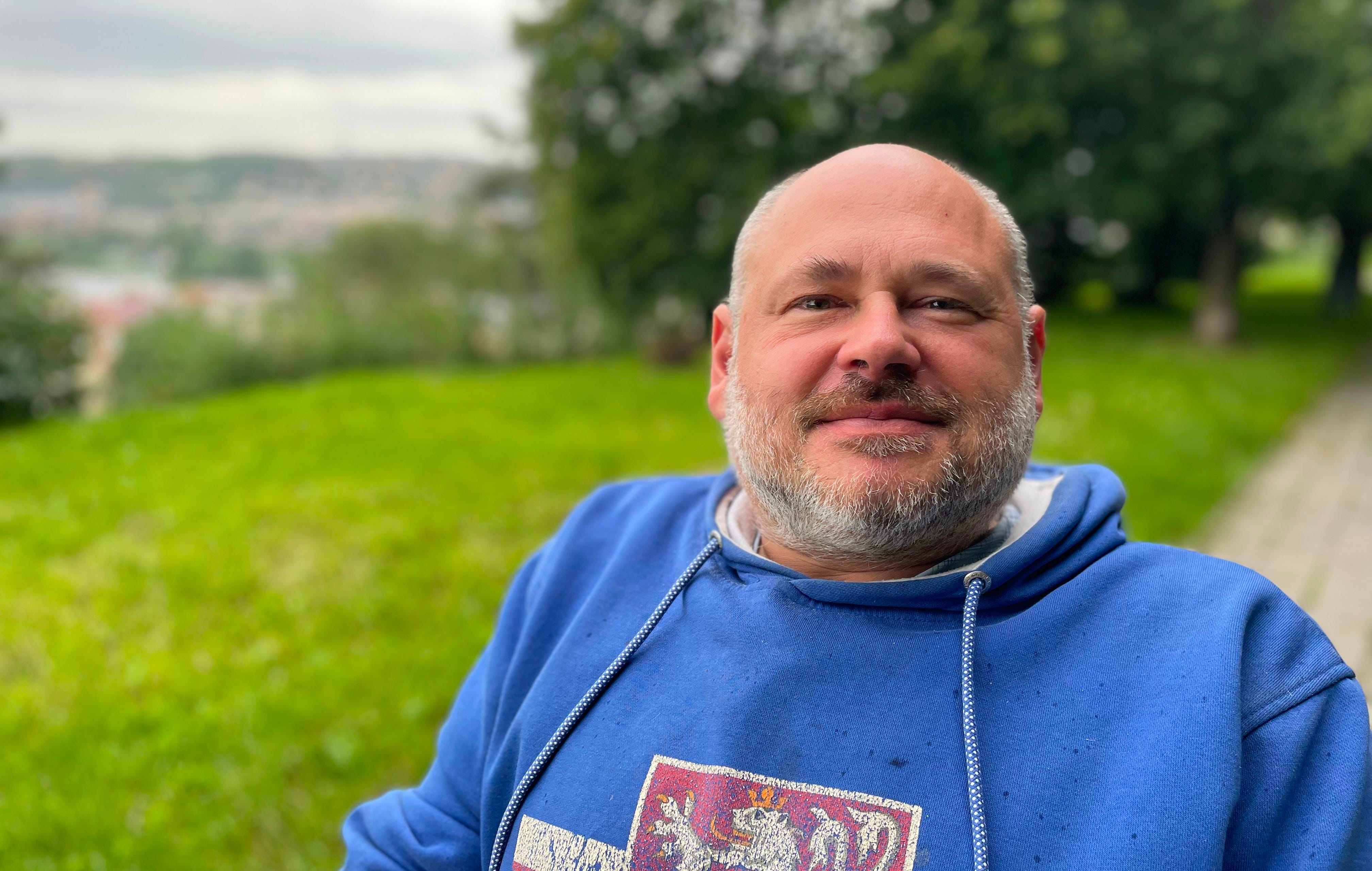
“It’s interesting to compare today with 150 years ago, when disabled people appeared in freak shows,” said Radek Musílek, a teacher of history and social studies at the secondary school attached to the institute.
“Sometimes of course it goes to the other extreme. People with disabilities are sometimes portrayed in the media as superheroes, climbing Mount Everest in a wheelchair and so on,” said Radek, who himself has been in a wheelchair since childhood.
“I think life - and truth - is something in between. We’re normal guys. We try to live normal lives. But the word ‘normal’ is a little bit complicated for us.”
“What is normal?”
The Würtz Collection - Images of Disability exhibition is open to the public every day at Ta Kavárna café (Na Topolce 1b, Praha 4-Nusle), a short walk from Vyšehrad metro station.
Thanks to Paul Wade of the British Council for first bringing the story to my attention.
This country’s wartime history is full of lesser-known episodes that you’ve possibly never heard of. This is one of them:
