

Pots and crayfish
Why it might soon be decision time for the new Czech PM

The word ‘crunch’ is inevitably wheeled out like a trolley of stale biscuits ahead of every EU summit.
But this one - over how to fund Ukraine’s military and keep its economy afloat - really is crunch. It’s breakfast cereal crunch. Prawn cracker crunch. Ginger biscuit crunch.
So when Andrej Babiš rises from his seat this morning and heads over to the coffee table, it will matter - to the EU, to Ukraine, and most of all to the Czech Republic - which gaggle of leaders he ends up sharing the Biscoffs with.
Will he saunter over to Belgium’s Bart De Wever, deep in conversation with the prime ministers of Italy, Bulgaria, Malta and likely others too.
They’ve lined up to back De Wever’s firm ‘nee’ to using some €185 billion in frozen Russian assets held in the Brussels-based financial services company Euroclear, as leverage for a ‘reparations loan’ for Ukraine. An idea that is also opposed by Donald Trump, who has his own plans for the funds.
The coffee break calculus
Or will Babiš slink over to Hungary’s Viktor Orbán and Slovakia’s Robert Fico, scowling in the corner, opposed not just to touching Russia’s sovereign riches but to providing any military support for Ukraine? (And in Orbán’s case, any financial support at all.)
Or perhaps he’ll sidle up to the larger group hogging the croissants - Friedrich Merz, Emmanuel Macron and the rest - black circles under their eyes.
This group will be wrestling with the dawning reality that Plan A (using the Russian assets) can’t be steamrolled over Belgium without blowing up the EU, and Plan B (joint EU borrowing) needs unanimity and will surely be vetoed by Hungary, unless some legal fudge can be found.
They will eye up the chocolate brownies they swore this morning they wouldn’t touch, and sadly begin contemplating Plan C. This plan would be eerily reminiscent of past EU decisions; opening a can of whupass on Russia … and kicking that can down the road.
Whatever option they choose, decisions made (or deferred) in Brussels this week are likely to accelerate the process of the EU gradually coalescing into two distinct blocs, like iron filings snapping into alignment around two magnetic poles.
Neither fish nor fowl
As the Czech commentator Marek Hudema put it in his column for Lidové noviny: “Within a few days, the European Union could realistically begin to tear into two parts, and the Czech prime minister will have to say which side he stands on. No more dodging, no more ‘neither fish nor fowl.’ In Brussels, everything will be at stake.”
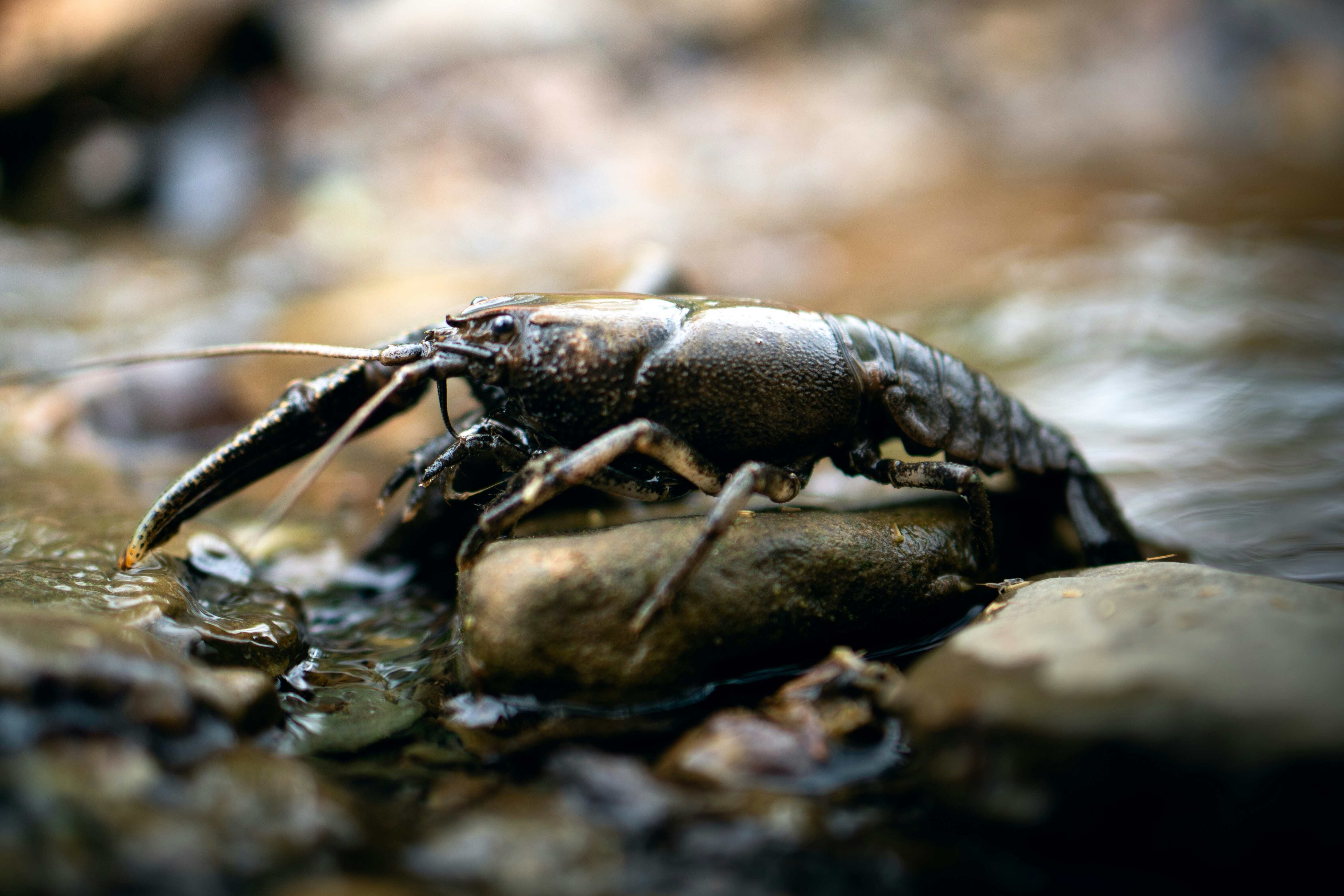
The phrase in Czech is ‘ani ryba, ani rak’, literally ‘neither fish nor crayfish.’ It has the same rolling cadence as the English equivalent.
Andrej Babiš morphs from ryba to rak and back again. He’s criticised the much-lauded Czech ammunition scheme as shady and open to corruption, arguing it should be scrapped or at least brought under the aegis of NATO.
Now in office, he merely says it should be ‘revised.’ It’s likely - though not certain - to survive under his new conservative and Eurosceptic administration.
Getting the boys back together
Babiš has also dampened early optimism in Bratislava and Budapest that he would get the old Visegrad band back together with Fico and Orbán but without Poland’s Donald Tusk (a bit like when Pink Floyd tried to reform but without Roger Waters.)
Instead he used an initial visit to Brussels last week to brush aside claims he would be aligning with Europe’s awkward squad, telling reporters after meeting Ursula von der Leyen he would be seeking partners across the EU to advance Czech interests.
But that was Thursday’s fish. A few days later, he was back to fowl.
In a video on X, he said he’d agreed after meeting the Belgian prime minister that leveraging the Russian assets for a Ukraine reparations loan was probably a non-starter. He refused to provide any guarantees for such a loan or put any Czech money into financial support for Ukraine (he now says he’s not opposed to using the assets per se; it’s guaranteeing the loan that’s the problem).
“The state coffers are empty, and every crown must go to our own people,” Babiš said (without explicitly ruling out the joint EU debt proposal).
On Sunday he did another video for the socials, this time wearing a T-shirt with the words NO WAR in the colours of Ukraine.
Decision time
It’s a laudable sentiment but the problem is this war will inevitably force EU countries into two distinct camps. Those who recognise the scale of the threat and are willing to take previously unpalatable action to mitigate it, and those who are not. The iron filings are snapping into place.
Serious people are now saying out loud what’s becoming self-evident: Russia wants nothing less than Ukraine’s total capitulation. The post-war order is largely over. Ukraine is fighting the war NATO was created to prevent.
These are inconvenient truths, and in this new and frightening world, we’re heading towards a point where you’re either on one side of them or the other. Being neither ryba nor rak will no longer be an option.
Or, to borrow an earthier and far more forceful phrase widely (if wrongly) credited to Harry Truman - soon it’ll be time to either shit or get off the pot.