

Goodbye to all that
A 22-year relationship with BBC News ends today. Emotions are mixed.

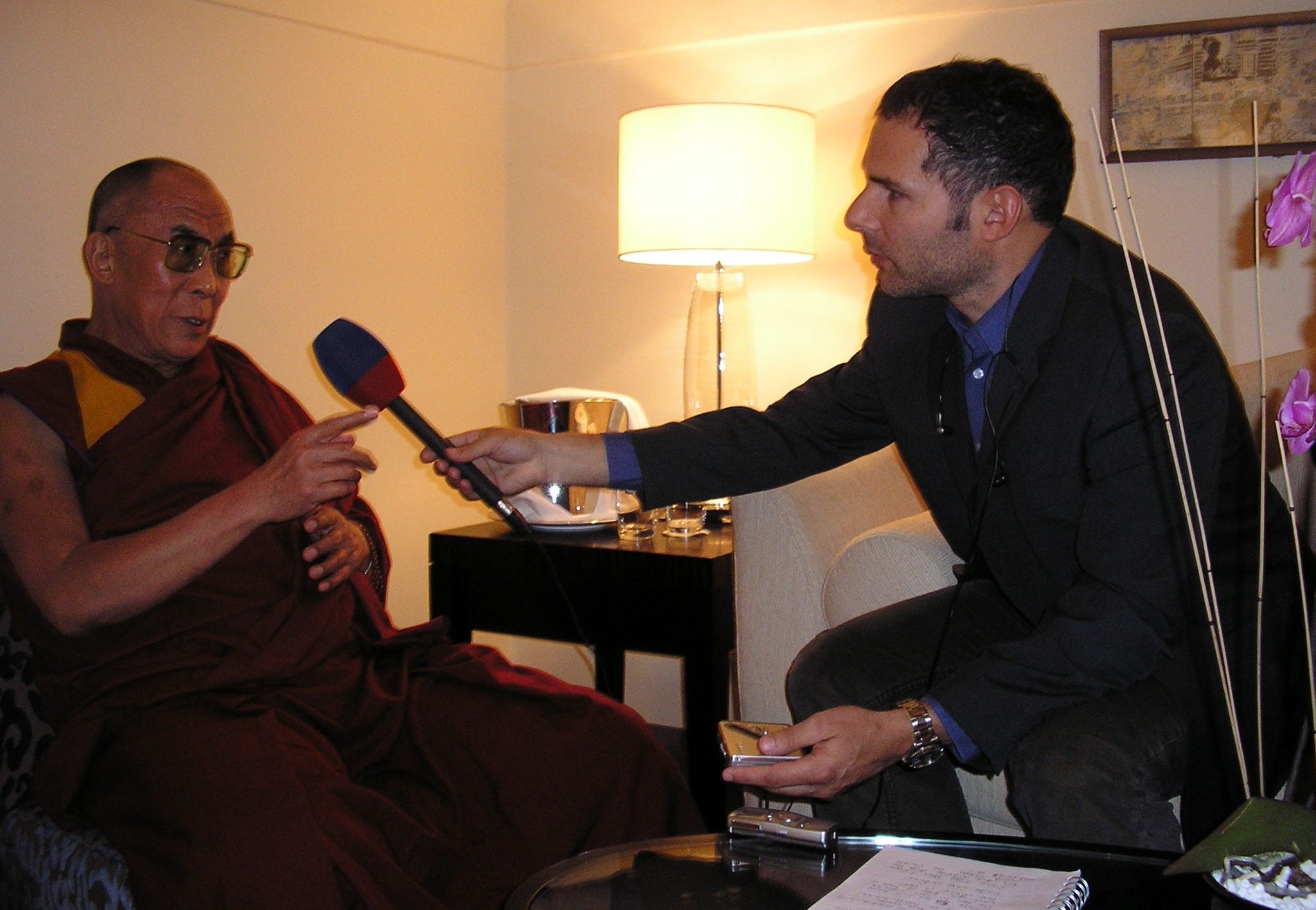
BBC News is closing five freelance posts across Europe, including mine.
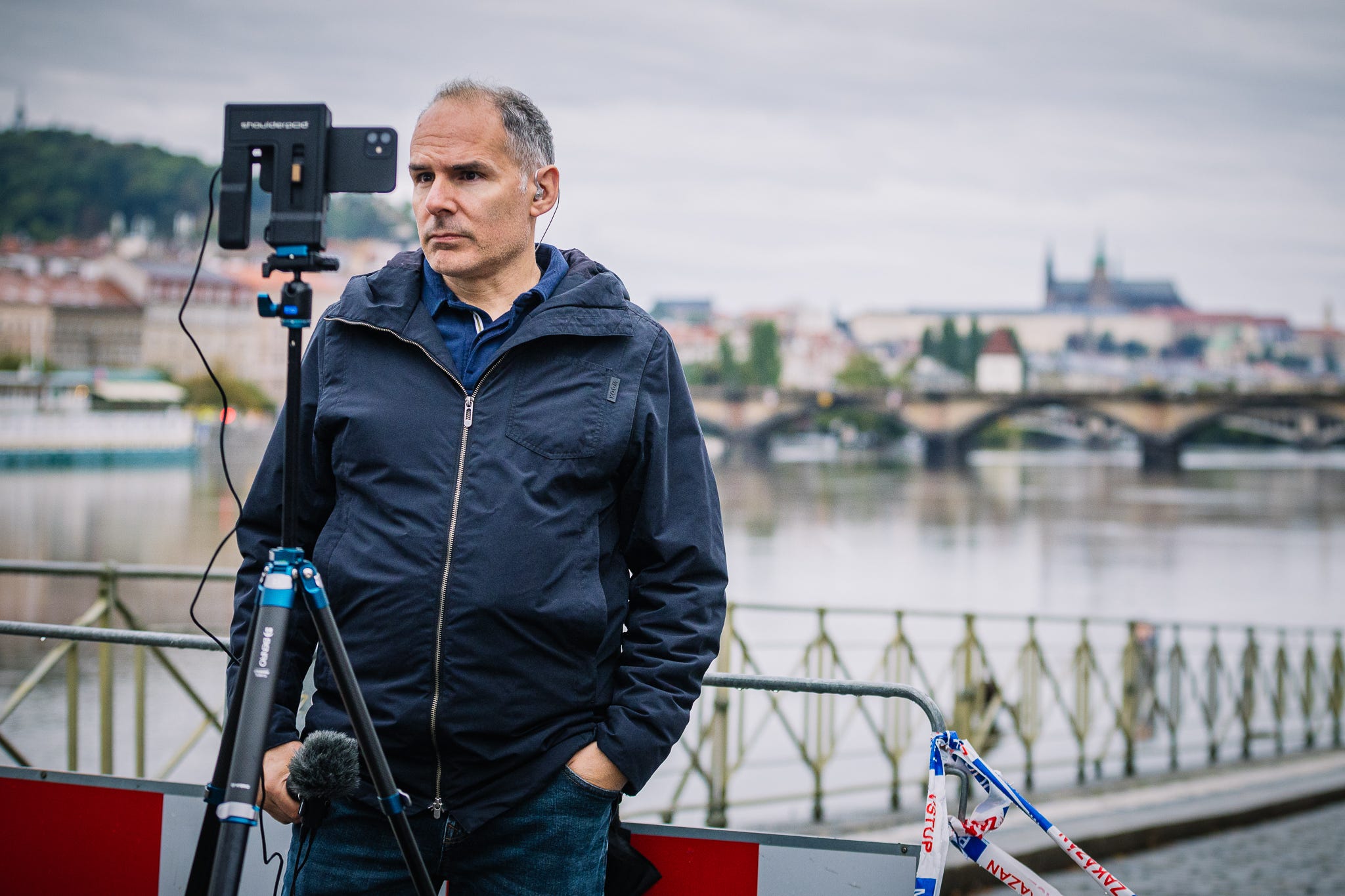
Today marks the end of 22 years of being the BBC Prague Correspondent.
I would say it’s the start of a new chapter. But it’s more like the continuation of an old one - one I started writing at least a decade ago.
The Dalai Lama looked puzzled.
“Word?”
“I don’t understand. What word?”
There was a rapid exchange in Tibetan with his team.
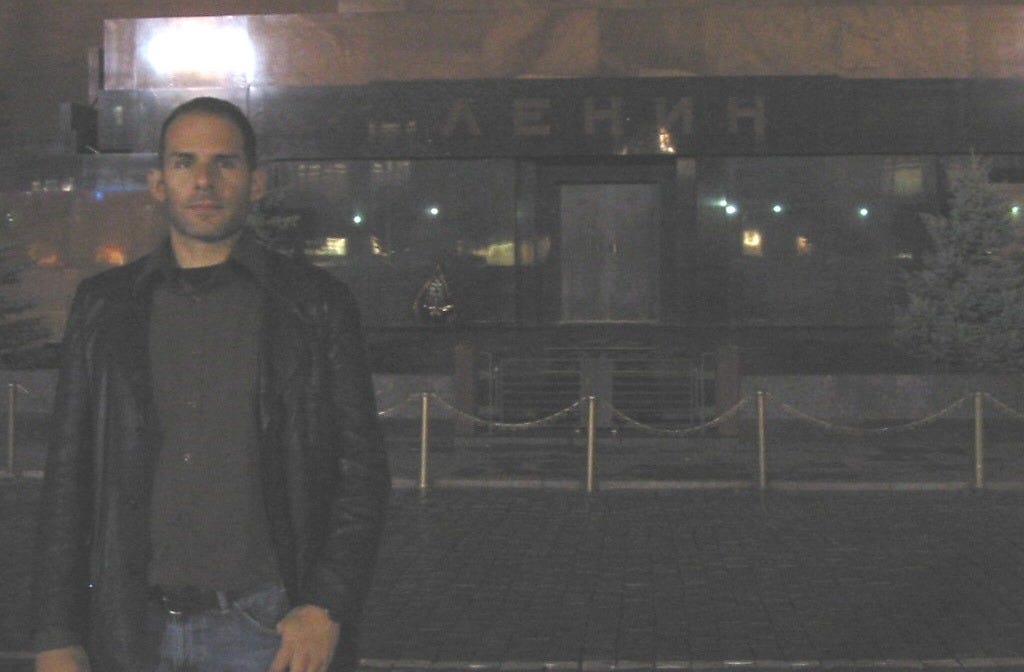
It was 2006. We were sitting in a small room in the depths of the Mandarin Oriental Hotel, not far from Charles Bridge. It was me and a second journalist from a Czech newspaper.
We’d been given half an hour with him. My Czech colleague had gone first, and for reasons unknown had decided to dispense with the traditional interview format and had opted instead for a word association game.
“No, no, Your Holiness. I say ‘China’, and then you say, I don’t know, ‘dictatorship’. Yeah?”
“China?” repeated the exiled Tibetan spiritual leader, still mystified.
I looked at my watch. This had gone on for about five minutes. I was worried my colleague’s ill-advised experiment would begin eating into my time with him. The clock was ticking.
In the end he got the point of the game. I subsequently got my 15 minutes. BBC World Service said they’d take three minutes with him if he could talk about the North Korean nuclear detonation.
He did, among other things.
I also made him laugh, somehow. I can’t remember how. But it’s a nice memory.
And God, there are so many memories.
I’m pretty OCD about these things and save my photos in folders by year and month. I’ve also archived some of my BBC TV, radio and online pieces on my website (guess I’ll be changing the title).
I became the Prague correspondent in May 2004. By September I was in Moscow, doing bureau cover as my vastly more experienced and capable colleagues covered the Beslan siege. I had to pinch myself.
Memories come in fragments.
A taxi to interview an Ingushetian activist in Russian, a language I did not - and do not - speak. I nodded sagely at her answers.
Sidling up to Muscovites (this time with a Russian-speaking producer) in Pushkin Square and asking them quietly what they thought about Putin’s handling of the unfolding crisis in the Caucasus.
It felt menacing and dangerous. It probably wasn’t.
And then being given a nighttime tour of the capital by a BBC Russian colleague. She took me to a club in some sort of huge yurt, which was full of hipsters smoking shishas.
She gestured silently to the back. It was entirely taken up by a ridiculously large tapestry of Putin.
I started laughing. She gave me a sharp look. We left.
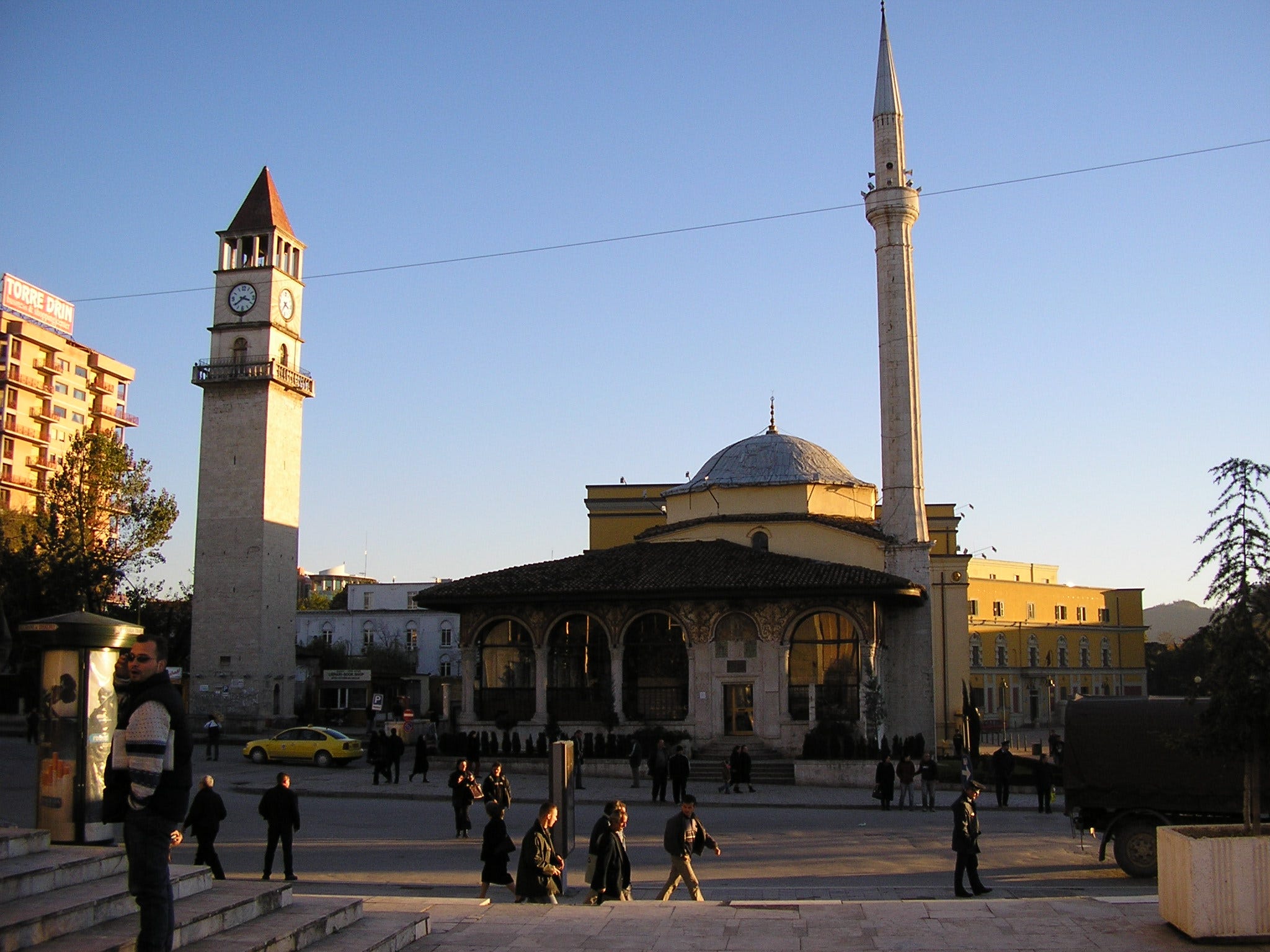
There were more reporting trips further afield - Albania, America, elsewhere. But most of my career with the BBC has been here in the Czech Republic and Slovakia.
The memories are unlocked by photos and audio recordings. They come flooding in. A sea of faces and voices and places.
Bush in Bratislava. Obama in Prague. Pavarotti’s open coffin.
Sir Nicholas Winton. Standing with his ‘children’ at the train station.
Gerhard Schröder. He got angry with me. He was almost shouting.
Václav Havel. Getting him to sign a book for my dad. Walking behind his coffin.
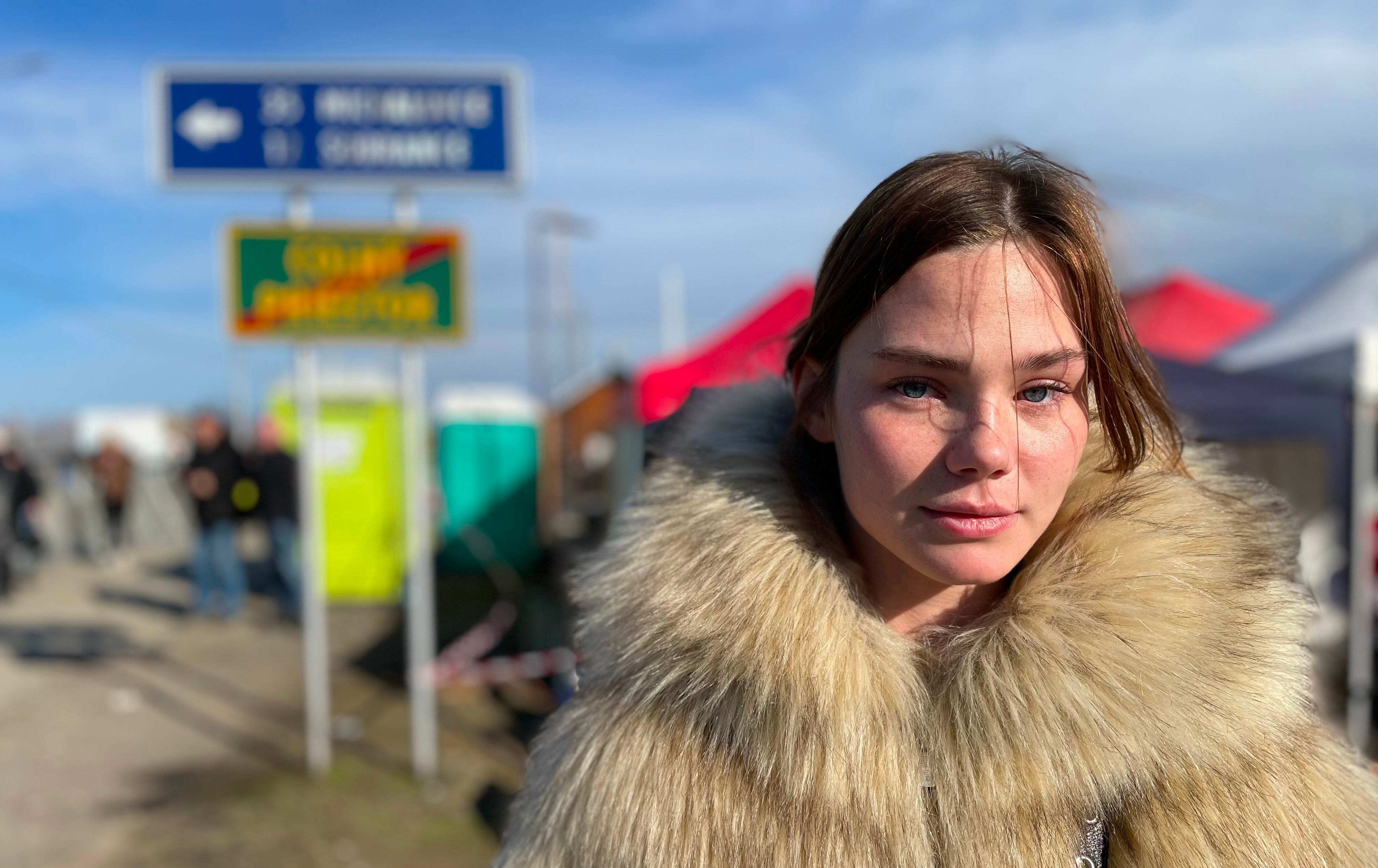
The Slovak-Ukrainian border. I got there the day after the invasion, to interview people fleeing the war. Their stories never left me.
There were a million other assignments and interviews and radio recordings and TV shoots for various arms of BBC News. It’s strange to think I’ll never do them again.
But enough remembrance of things past. This isn’t Proust. (This so isn’t Proust). Many have asked why I won’t be doing this anymore.
To be honest, it’s not entirely clear to me, a month after the announcement. Neither is it to my colleagues elsewhere in Europe who are also losing their jobs.
I say ‘jobs’.
Because here’s the thing.
A BBC freelancer is just that, a freelancer. It’s often hard to get across, but it means flying entirely without a parachute. There is no retainer. If you don’t work, you don’t get paid.
And recently, there has not been work. Apart from some producing for the World Service, my BBC income in 2026 has been zero. This year I have cost BBC News literally nothing.
So why get rid of us? What savings are being made? What if something big happens and they can no longer call on us to cover it?
It feels performative and self-defeating.
But enough of this. I didn’t want this to be a rant about the BBC. It’s not why I write this newsletter and it’s not why you read it. And anyway my erstwhile colleague Patrick Howse sums it all up here.
But wait, I hear you ask, if you’re the BBC correspondent but not being paid anything, how do you make a living?
Well, by doing lots and lots of other work. This has been true for a long time. At least for me.
Some of it is journalism for other media. Deutsche Welle. Austrian Radio. CBC. RTÉ. Monocle.
But even that would not be enough without the enormous quantity of media adjacent work (voiceovers, corporate video production, podcasts, conference moderating etc) that I’ve done for well over a decade, work that made it possible to carry on working for the BBC.
I sometimes joked that I was subsidising a very prestigious hobby.
OK, I’m being facetious: a heartfelt calling. Not to mention the pinnacle of journalistic achievement for anyone who grew up in Britain.
Which brings me, dear reader, back to where we started, and the URL at the top of this page.
Yes, I do all those other jobs, and genuinely enjoy them. But writing is what I love, and it’s one of the few things I’m any good at.
It was true when I left college with a (fairly bad) degree from Coventry Polytechnic, knowing I wanted to write for a living.
It’s true today, now I’ve left the BBC, still knowing I want to write for a living.
It’s gratifying to find an audience here for all things Czech, Slovak and Central European.
As I write this, there are almost 600 subscribers to this newsletter, and more than two dozen who have chosen to become paid subscribers. If you think this kind of journalism is worth supporting, I’d be honoured if you joined them.
And to every one of you - free reader or paid subscriber - thank you for giving me somewhere to keep writing.
If you’d like to see the kind of journalism your subscription supports, my latest paid essay explores how a Roman inscription in a rock beneath a Slovak castle redefines our understanding of Europe’s past.
The Roman outpost you've never heard of

The Roman soldiers who carved the name Laugaricio into a rocky cliff in Slovakia almost certainly believed they were marking the edge of a permanent empire.
It’s the Beeb’s loss, Rob. You’ve done fabulous work over the years. And, as you point out, a huge variety to come.
Another heartbreaking story of what is happening to our noble profession. A terrible loss for the Czech Republic, too.