

Anthropoid
The Prague locations behind one of the boldest acts of resistance of WW2

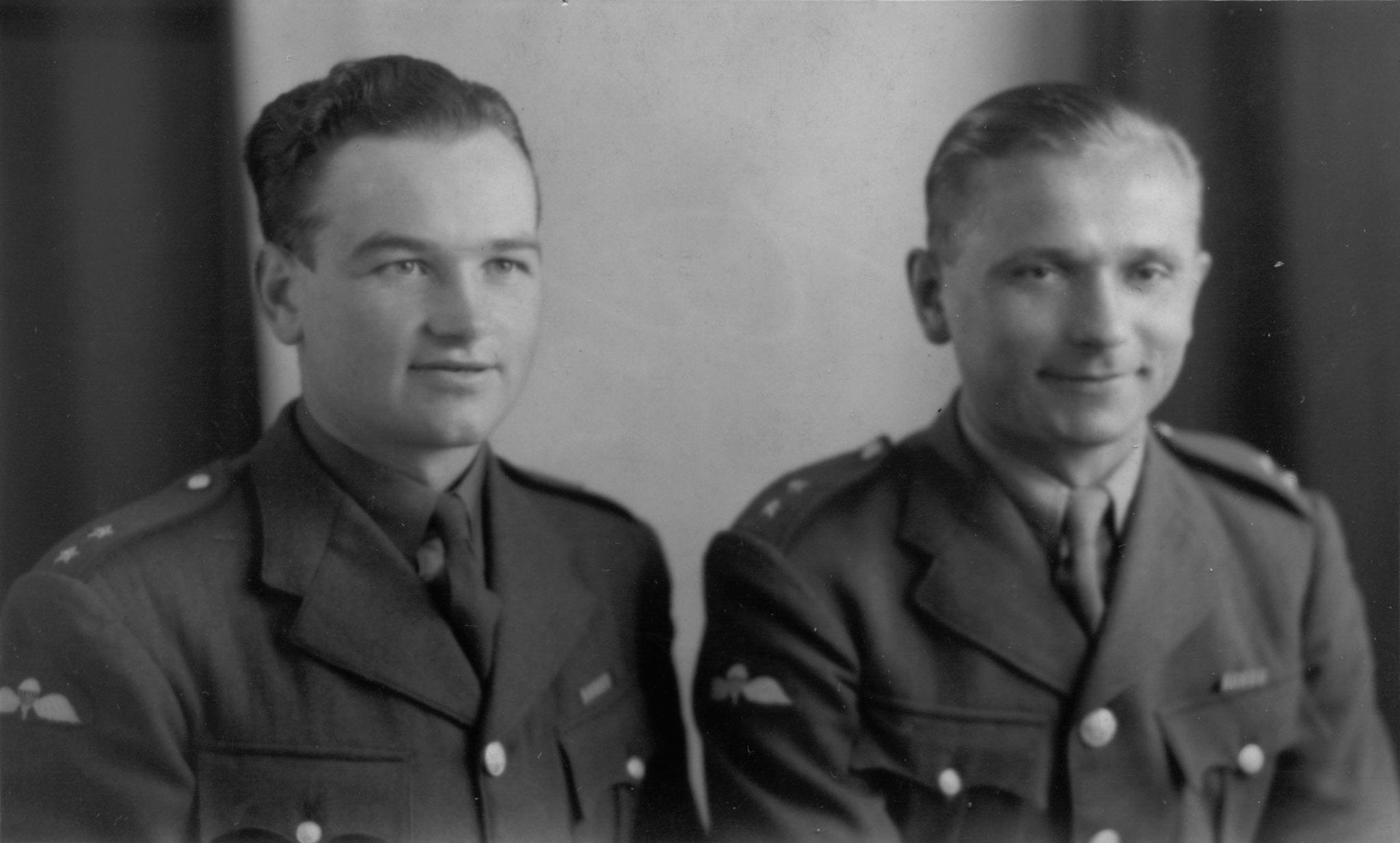
In Prague, one of the most audacious assassinations of the Second World War - the killing of SS-Obergruppenführer Reinhard Heydrich - unfolded in broad daylight.
It was also where the men who carried it out made their last stand.
The story is familiar. The places are less so. You may have driven, taken a tram or walked right by them without noticing.
The bend in the road
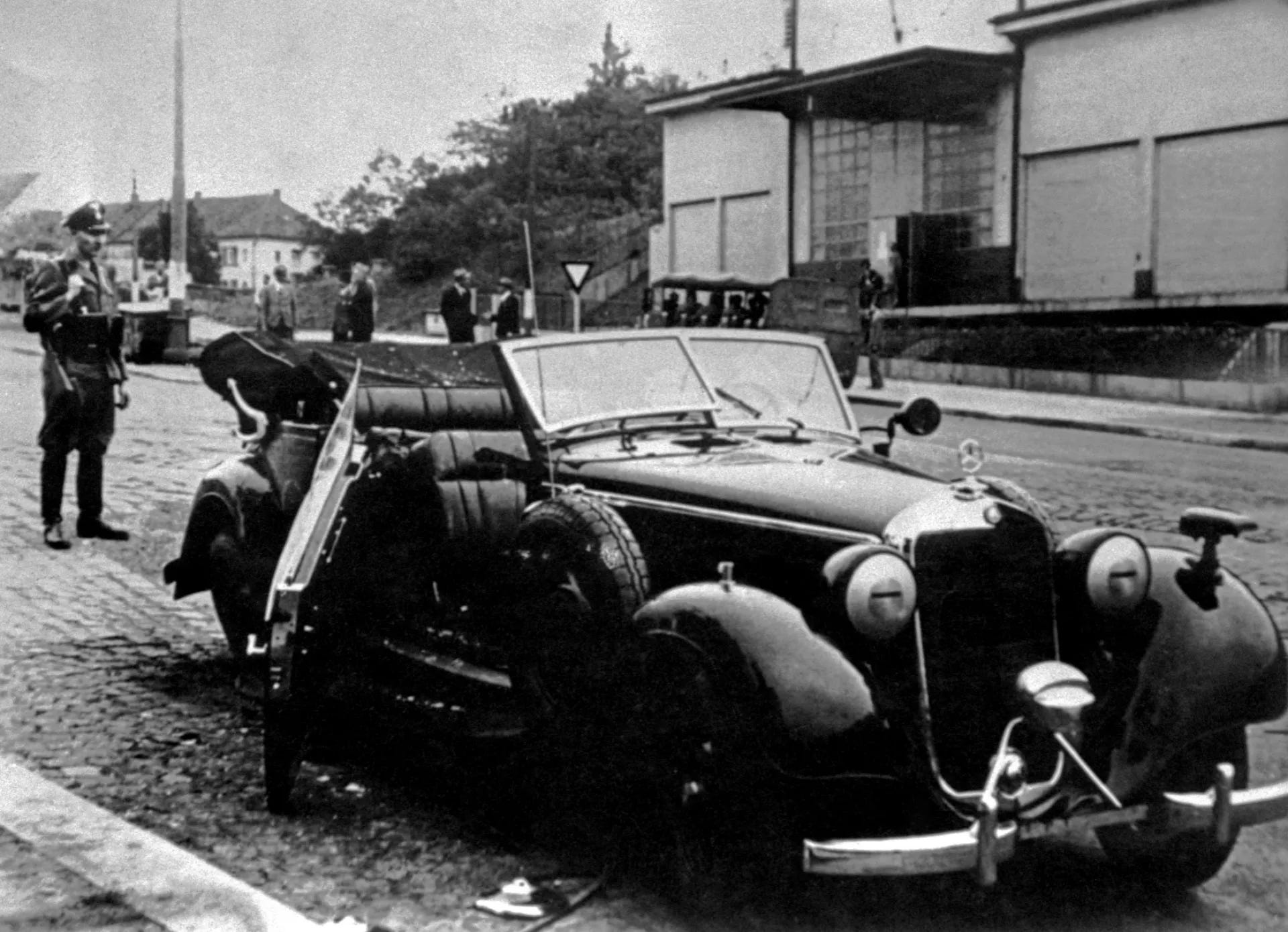
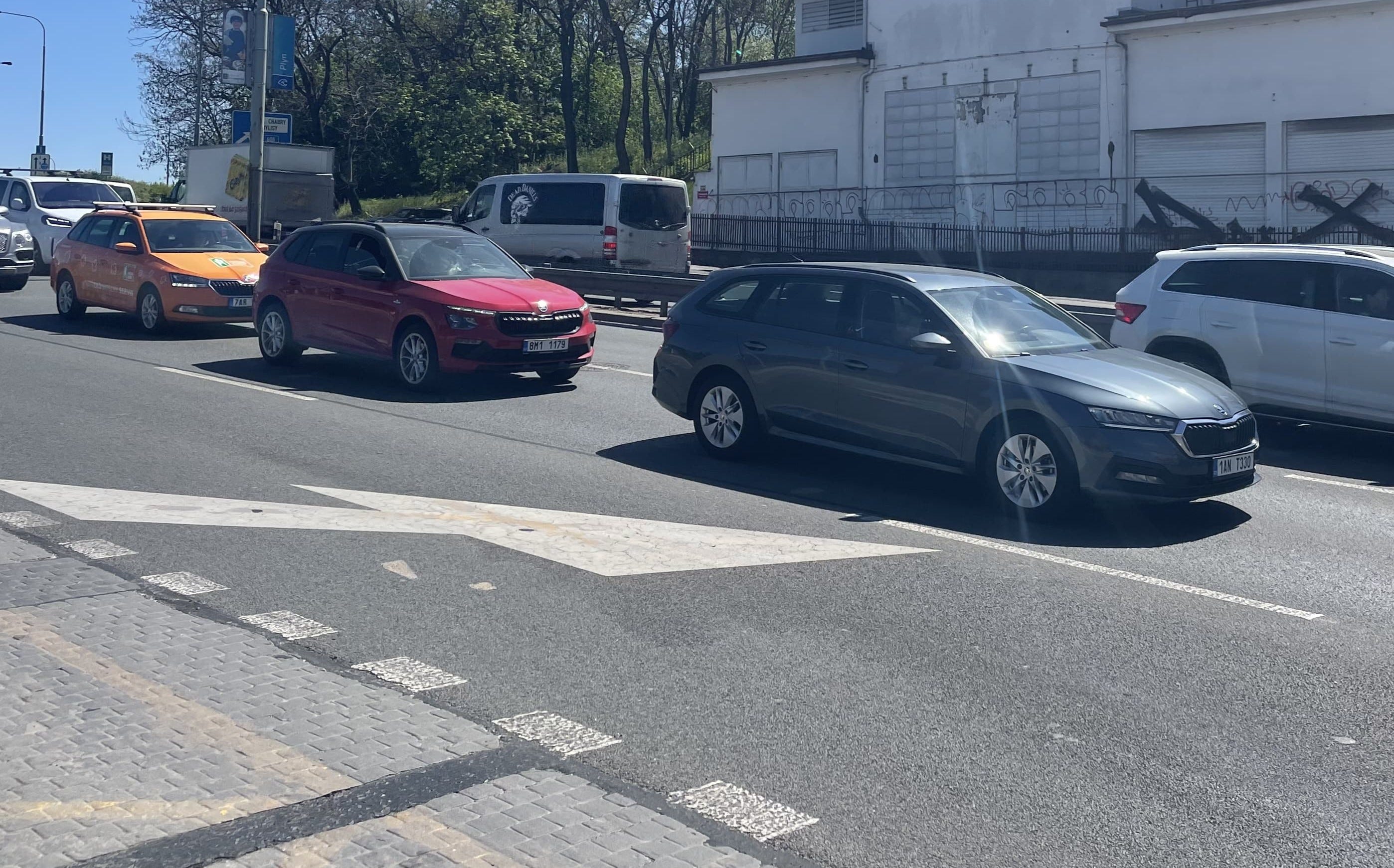
On the morning of May 27, 1942, Reinhard Heydrich was being driven from his residence in Panenské Břežany to his office at Prague Castle.
Heydrich, a central architect of the Holocaust and one of the most powerful figures in Nazi Germany, sat in the front passenger seat of an open-top Mercedes beside his driver Johannes Klein.
Shortly after 10.30am, the car slowed to negotiate a bend in the northern suburb of Libeň.
Waiting there were two British-trained paratroopers, Jozef Gabčík and Jan Kubiš.
Gabčík raised his Sten sub-machine gun and pulled the trigger. The weapon jammed.
Kubiš threw a modified anti-tank grenade at the moving car. It exploded near the rear wheel, sending fragments of metal and upholstery into the vehicle.
Heydrich ordered Klein to stop. Both men set off in pursuit. Heydrich - the acting Reichsprotektor of Bohemia and Moravia - collapsed after a few metres.
The hospital
A passing delivery van was stopped and Heydrich was helped into it by bystanders.
He was taken to Bulovka Hospital, a short distance away.
Initially treated by a Czech doctor, he was then hospitalised in Building No. 5. He later underwent surgery performed by two German doctors, assisted by a Czech anaesthesiologist.
The department was cleared of other patients and placed under SS guard.
Heydrich’s injuries were not initially thought to be life-threatening. However, he slipped into a coma and died on the morning of June 4, 1942.
The official cause of death was recorded as complications arising from his injuries, most likely sepsis. He was 38 years old.
The castle
První nádvoří Pražského hradu, Prague 1
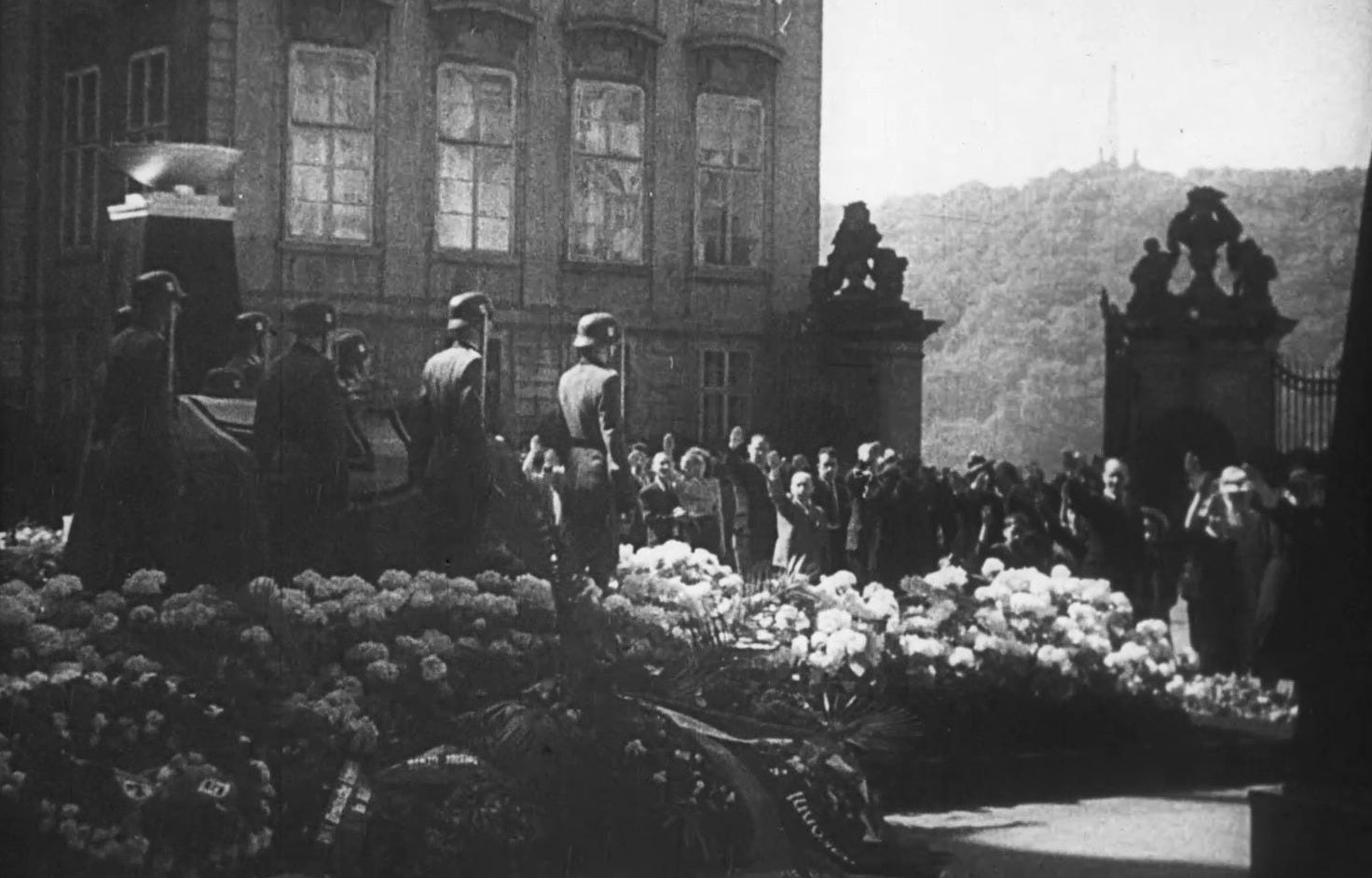
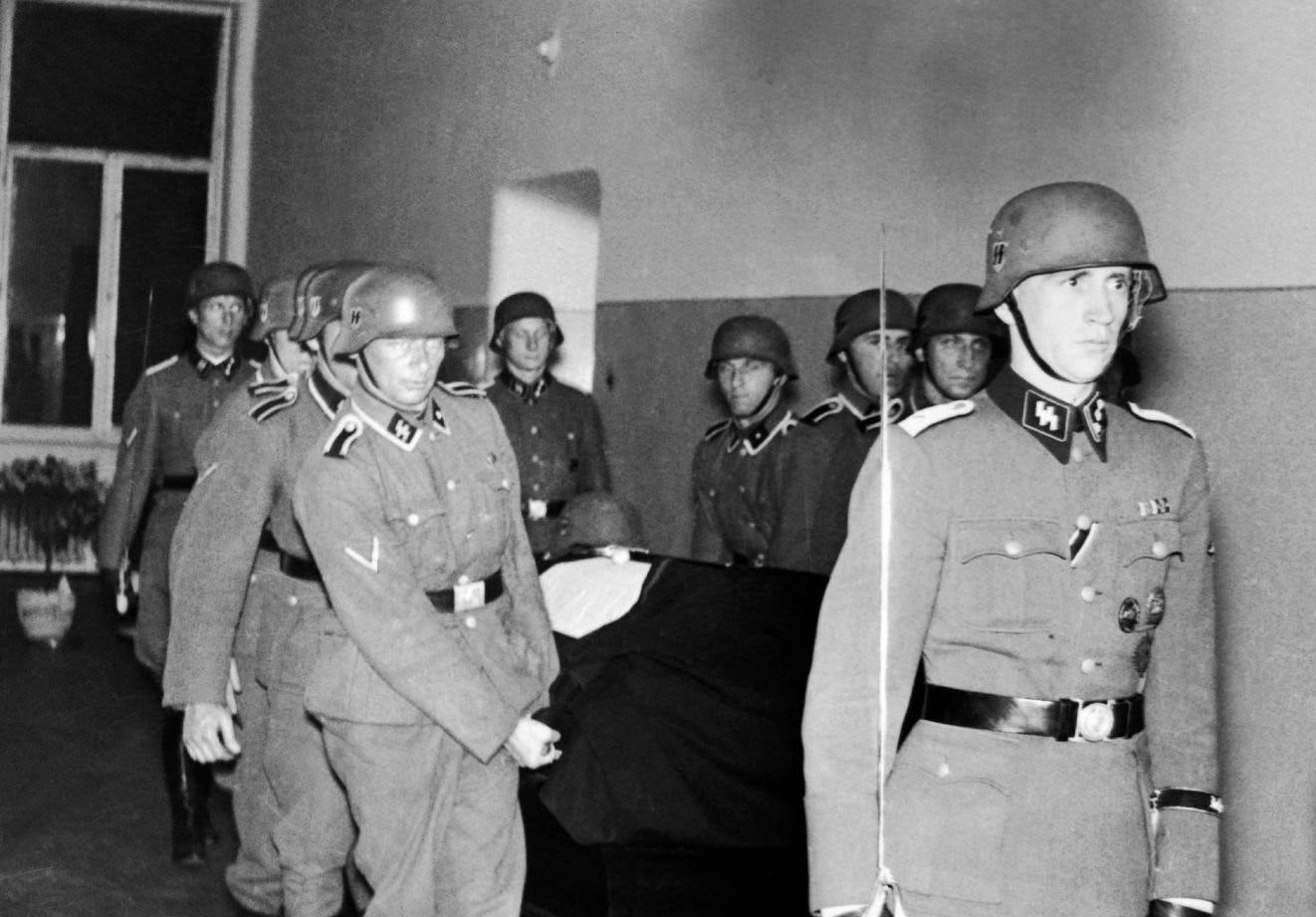
On June 7, 1942, Heydrich - the overall head of Nazi Germany’s extensive security apparatus - was given an elaborate funeral ceremony in Prague.
Thousands passed before his coffin - draped in a swastika flag - lying in state in the first courtyard of Prague Castle. Heinrich Himmler sat in the front row, along with the Protectorate’s figurehead ‘state president’, Emil Hácha.
Newsreel footage shows large crowds of Protectorate subjects - some in Bohemian, Moravian and Silesian folk costumes - giving the Nazi salute.
It was a carefully choreographed piece of propaganda for a ruthless and cold-blooded killer. The man who had been sent to Prague to crush Czechoslovak resistence to the Nazi occupiers. The man who less than five months earlier had chaired the Wannsee conference on implementing the ‘Final Solution to the Jewish Problem’.
The coffin was later loaded onto a train and taken to Berlin, where there was a second grandiose funeral.
Hitler delivered the oration, describing Heydrich as der Mann mit dem eisernen Herzen (“the man with the iron heart”). In private, he fumed at Heydrich’s cavalier attitude to his personal security.
Heydrich is buried in Berlin’s Invalidenfriedhof military cemetery. The grave’s exact location was deliberately left unmarked by the post-war German authorities, but was revealed in 2019 when it was opened by unknown perpetrators.
The palace
Politických vězňů 931/20, Prague 1
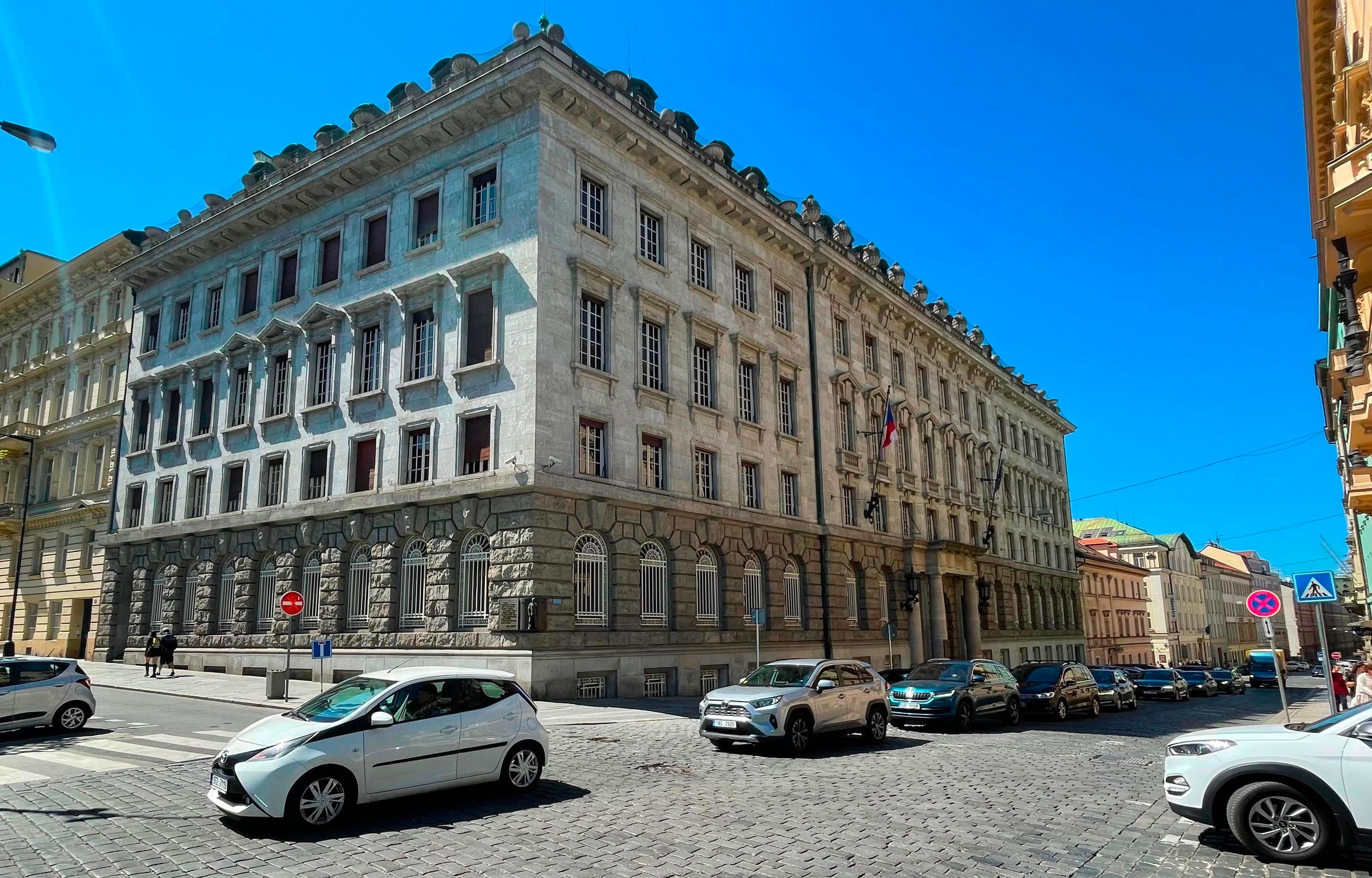
Petschek Palace was built as the headquarters of the Jewish-owned Petschek banking and industrial empire, but was taken over by the Gestapo during the occupation.
On June 16, 1942, fellow parachutist Karel Čurda, a member of the Out Distance group, reported to the building and, under interrogation, began offering names.
Čurda, who like Gabčík and Kubiš had been trained by Britain’s Special Operations Executive, gave up the entire network of safe houses in the capital and elsewhere in occupied Czechoslovakia.
Over the hours that followed, their occupants were brought to Prague and tortured in the basement.
Finally, one of them revealed that Gabčík, Kubiš and five other parachutists - Josef Bublík, Jan Hrubý, Adolf Opálka, Jaroslav Švarc and Josef Valčík - had taken refuge in the Church of Saints Cyril and Methodius in Prague’s Resslova street.
Čurda’s motive for giving up his comrades remains unclear to this day. Shortly afterwards he made an attempt to kill himself.
The crypt
Orthodox Church of Saints Cyril and Methodius, Resslova 9a, Praha 2
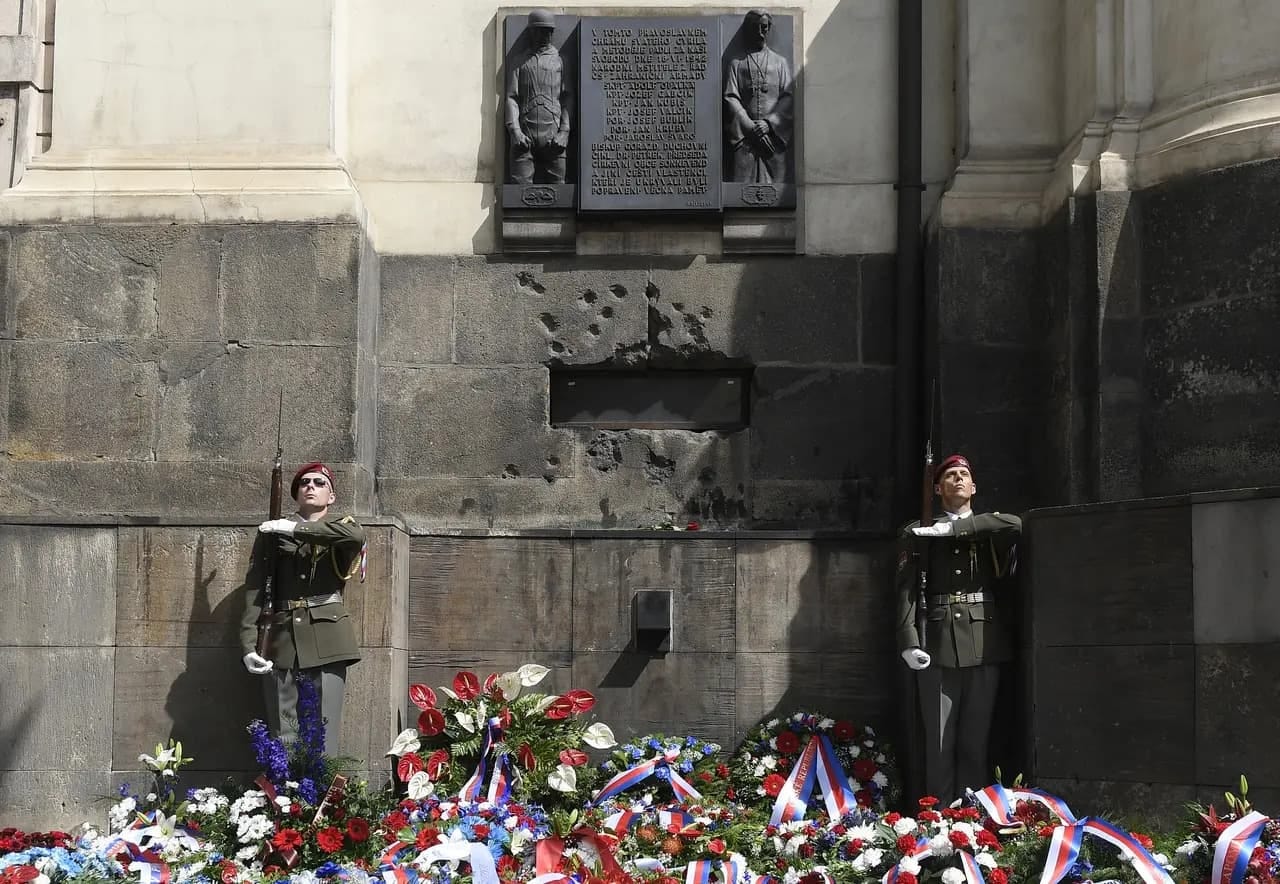
The parachutists’ last stand is the stuff of legend, even without the exaggerated version presented by some books and films.
The basic sequence of events is as follows:
At around 3.45 am on the morning of June 18, the church was surrounded by some 800 SS troops, Prague police and Gestapo officers.
The initial battle was for the choir loft and the gallery. This lasted almost three hours. Opálka, gravely injured, died after shooting himself. Bublík was hit by a grenade and tried to take his own life but lost consciousness instead. Kubiš was also left injured and unconscious by a grenade.
The four remaining parachutists retreated to the church crypt. The Prague Fire Brigade were ordered to flood it and drive them out with smoke. Still the four refused to surrender.
The SS blew apart the entrance to the crypt and began spraying the hiding place with machine gun fire. Outgunned and with no hope of escape, the surviving four - Gabčík, Hrubý, Švarc and Valčík - shot themselves. The operation ended at around 11am.
Bublík and Kubiš were still alive but unconscious when the church was finally secured. They were taken to the SS military hospital at Podolí (now the maternity hospital) and died either en route or shortly after arrival.
The SS took their bodies back to the church so they could be laid out on the pavement and identified, among others by Čurda.
The apartment
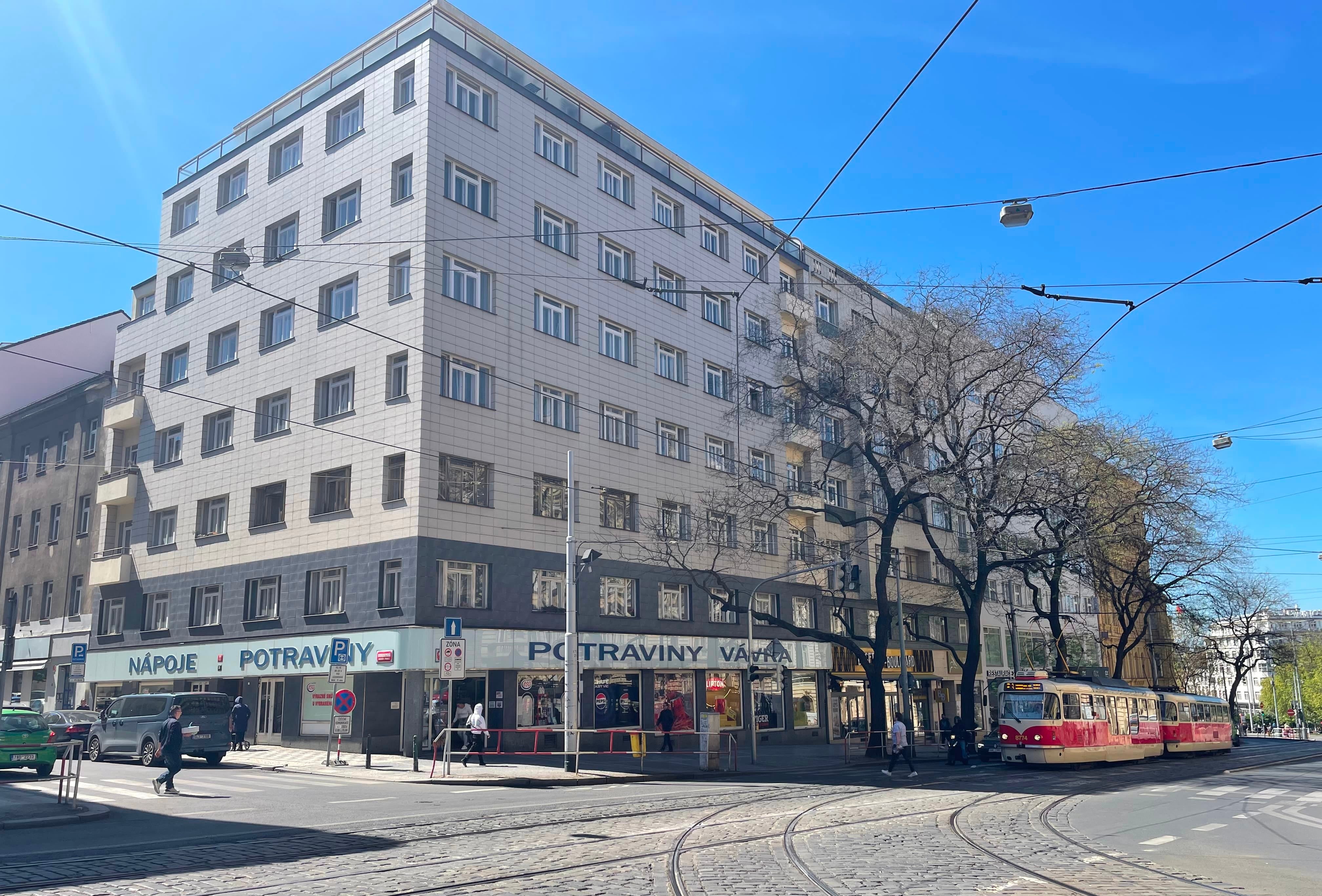
After several weeks of Gestapo interrogation, Karel Čurda was released from custody. He received a savings book with five million Protectorate crowns and a new identity, Karel Jerhot.
Initially he lived in Palmovka, before moving to a flat in this building in Vinohrady.
In February 1944, he married Marie Bauerová. Two weeks later he became a father.
On May 15, 1945, Čurda turned himself in to the Czechoslovak authorities and confessed to having given up his comrades. On April 29, 1947, he was hanged as a traitor.
The cemetery
Ďáblice Cemetery, Ďáblická 2a, Prague 8
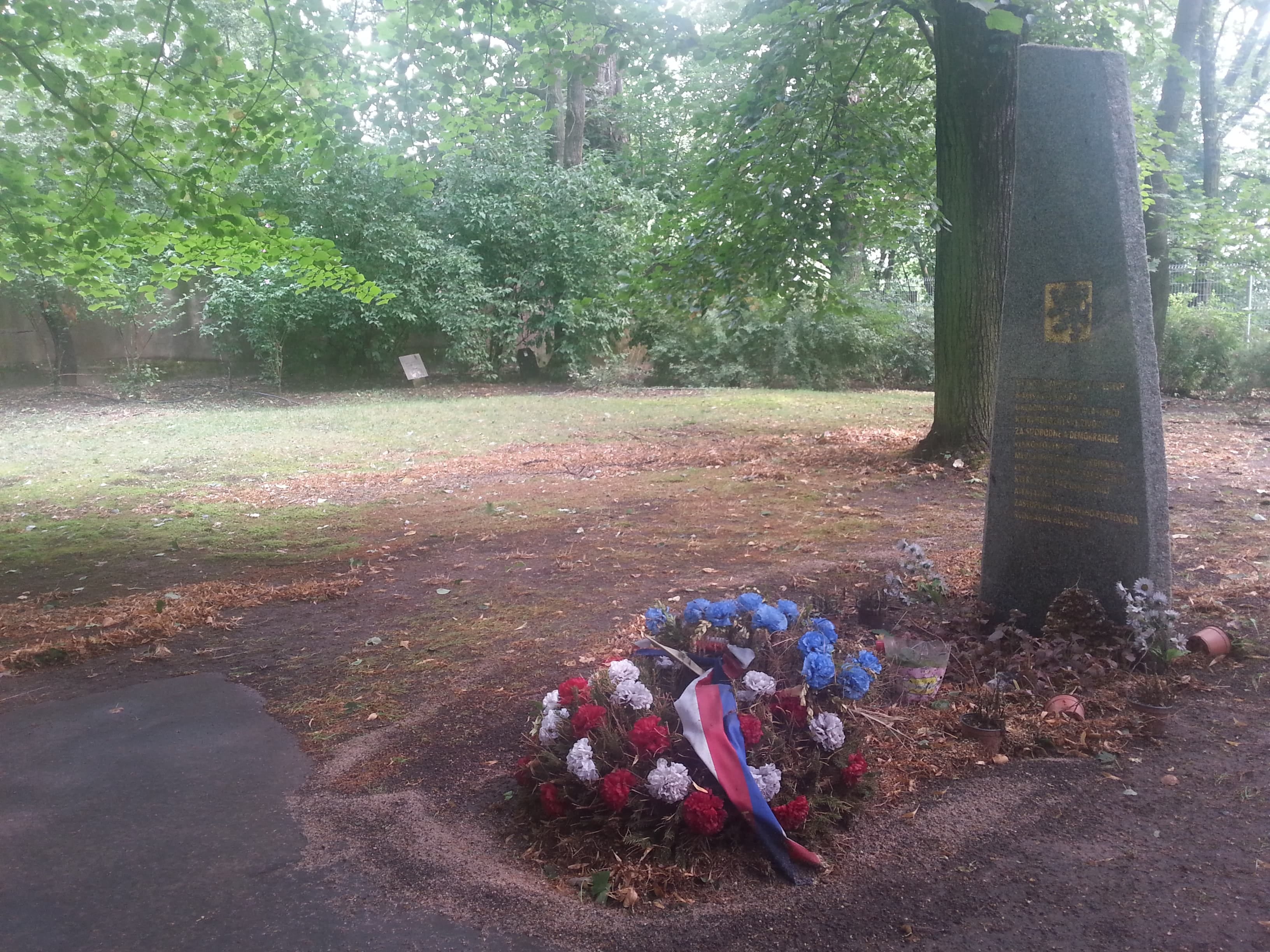
To this date, no-one knows for sure where the remains of the paratroopers are buried.
Researcher Jaroslav Čvančara, one of the leading authorities on Operation Anthropoid, befriended a former Czechoslovak police officer who had been assigned to Prague’s Institute of Forensic Medicine during the war.
The policeman told Jaroslav he had once crept into the main autopsy room, where the severed heads of Jozef Gabčík and Jan Kubiš were kept in formaldehyde.
The skulls of the other five parachutists were also kept there, he said.
The policeman introduced Jaroslav to one of the Czech pathologists who had been working at the institute in 1942. He confirmed the headless bodies were almost certainly taken to Ďáblice Cemetery, where they are likely still lying in a mass grave.
According to Jaroslav, the five skulls and two heads were last seen being loaded by the Gestapo onto a goods train at Prague’s Smíchov station on April 20, 1945.
It was Hitler’s birthday.
They were never seen again.
Much of the information in this post comes from the excellent guide Anthropoid by Jiří Padevět and Pavel Šmejkal. There was an English version but it’s sadly out of print.
What happened in Prague in May 1942 did not end at the church. It spread - through prisons, execution sites, and the villages of Lidice and Ležáky, which were wiped from the map. Thousands were killed in the reprisals.
For more on Ďáblice Cemetery and the secrets buried in Prague’s many other graveyards, read the following:
Thank you for there locations! I will definitely check them out when next time in Prague. I’ve only been to the crypt.
Not Potraviny Vávra? Well, I never liked shopping there anyway.